Our mission

Curing complex diseases requires combinations.

Drug discovery is organised around finding one target that works on its own. Biology is not built that way.

Biology runs on redundancy and feedback, so blocking one route very often means the cell reroutes through another. That is the core problem in cancer resistance and regrowth, and it applies across complex evolving diseases more widely, in immune disease, in neurological disease, and where the two intersect.

Oncology has already started combining: around one in three FDA solid-tumour approvals between 2011 and 2023 were combination regimens.

We strongly believe we probably have enough drugs, enough identified targets, and honestly probably enough large-scale data. What is not known is which combination, and in which sequence, produces an optimal synergistic effect that is sustained. That is a representation problem and a search problem at the same time, intractable with typical drug screens, and tractable with the right mix of agentic systems and fast dynamical models.

The scale is the reason. A pairwise screen of 100 drugs at 100 doses each runs to roughly 50 million experiments, and a dish still cannot see the immune compartment clearing a clone, the stroma walling a drug out, how much of a dose reaches each metastatic site, or what changes when you reverse the order of two agents.

In our first few months we have found that despite enormous genomic variability, resistance pathways across cancers share a similar set of strategies, and a similar order for using them. That opens the possibility, for the first time, that a relatively small set of the right drugs could move some of the worst prognoses from around 12 months to decades.

Read the full mission statement

How we got here

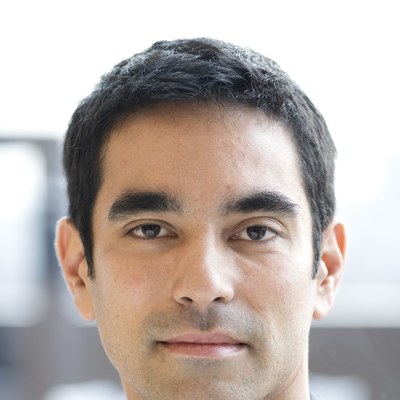
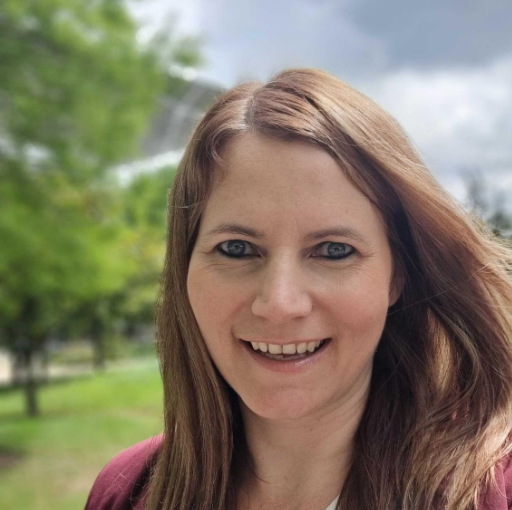
Mark and Kerstin have worked together for seven years at Deep Science Ventures, building companies across the stack that complex, evolving diseases demand. For example, Neobe designs live therapeutics that uniquely break down the tumour stroma, one of the hardest problems in many cancers, whilst Plurify stabilises cell engineering with programmable RNA.

Then in 2025 we were asked to apply our internal agentic work to the Allen Institute’s single-cell repositories, joining the dots between the data and the literature to identify some of the root causes of Alzheimer’s disease. That work is on bioRxiv and under review at a tier one journal. This was before agent harnesses were the thing. Hallucinations were rife and context was lost within a few turns.

We could see the principles would work, and that they would apply to the much faster evolution of a disease like cancer. How a tumour responds to a synergistic combination sits well outside the complexity a person can hold in their head, which is the kind of problem a harness and the agentic management of smaller distilled models are perfect for. We took the bet and spun out, raised the pre-seed, and have not looked back.

Team

Who we are.

Dr. Kerstin Papenfuss

Dr. Kerstin Papenfuss, MBA

Chief Executive Officer

Built the Deep Science Ventures therapeutics team and founded 12 therapeutics and enabling-technology companies there, first exit booked. Structured partnerships with AbbVie, the Cystic Fibrosis Foundation and Cancer Research UK. Former Principal at LifeArc in strategic intelligence, and Commercialisation Lead at the Cell & Gene Therapy Catapult, where PureSpring raised £40m+. PhD Tumour Immunology, Imperial.

LinkedIn
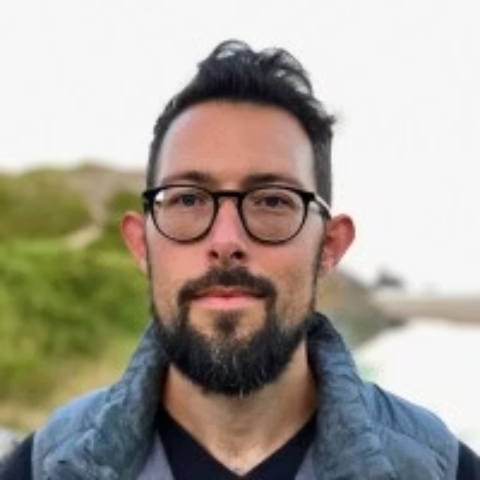
Dr. Mark Hammond

Dr. Mark Hammond

Chief Technology Officer

Co-founded Deep Science Ventures and took it from £150k to a £1bn+ portfolio. Led the Allen Institute partnership on the first long-horizon autonomous discovery agent. Previously licensing and investment at Imperial College, where spin-outs included Hinge Health (IPO), Hark (Google DeepMind), Monolith (CoreWeave) and Sonalytic (Spotify). PhD Neuropharmacology and ML; the work underpinning Epidiolex ($972m/yr).

LinkedIn
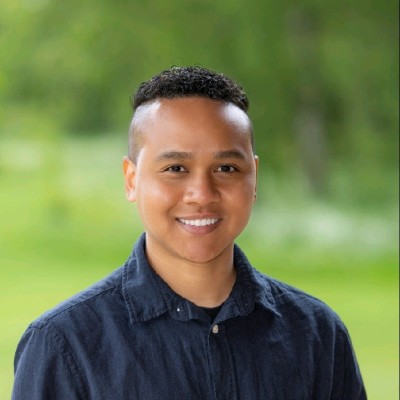
Nathaniel Anderson

Nathaniel Anderson

Senior Computational Scientist

Computational Senior Staff Scientist at the Wellcome Sanger Institute, leading translational genomics across sarcoma and paediatric cancer. Ten years in cancer genomics: single-cell and bulk RNA-seq, integrative multi-omics, copy-number and somatic variant analysis, and the reproducible pipelines that hold all of it together.

LinkedIn

Advisors

Dr. Christian Dillon

Dr. Christian Dillon

CSO at PhoreMost. Prev. Associate Director of targets at Cancer Research UK’s biotech labs, where he secured £50m in pharma and biotech partnerships.

Dr. Laura Rosenberg

Dr. Laura Rosenberg

Director, Discovery Sciences Target Validation at AstraZeneca. Prev. target validation at Cancer Research UK.
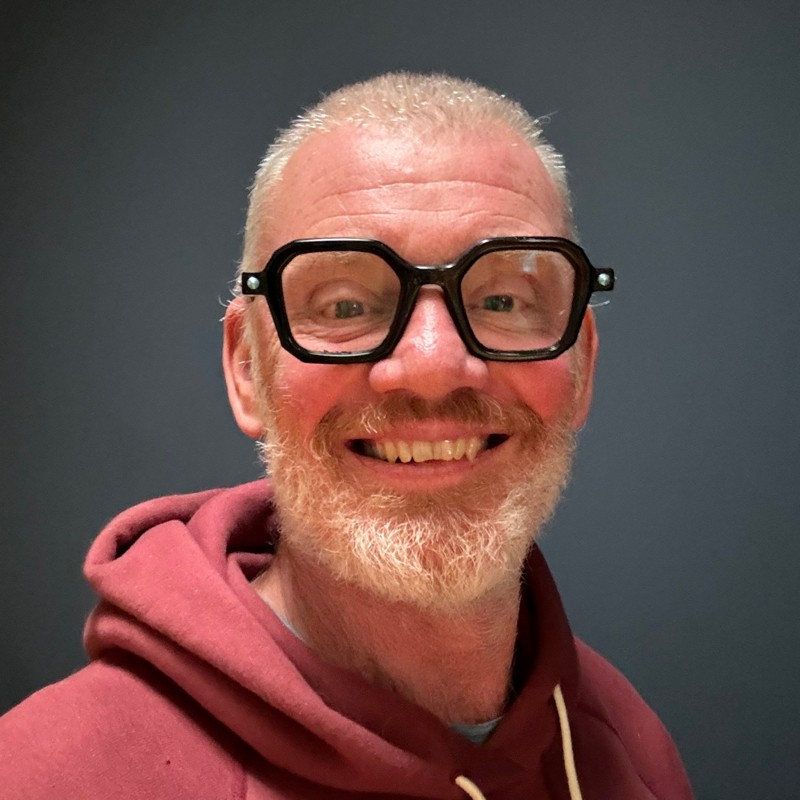
Dr. Garry Pairaudeau

Dr. Garry Pairaudeau

Former CTO Exscientia (exited to Recursion). Former Head of Hit Discovery at AstraZeneca. CEO of Dalton Therapeutics.
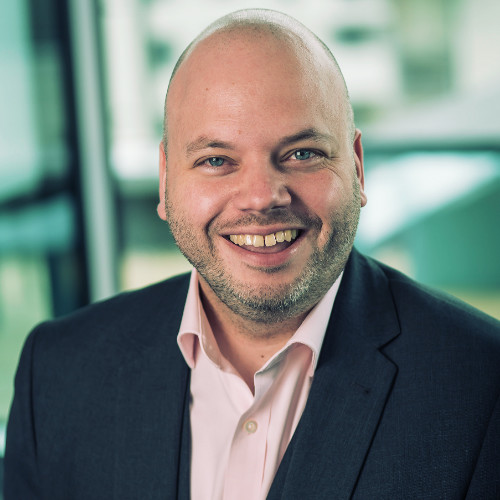
Dr. Duncan Young

Dr. Duncan Young

Head of Search & Evaluation, Oncology Business Development at AstraZeneca.