bigpicturebio
Therapies designed for the complexity of disease.
We use multi-agent AI to unpick the complexity of disease at the systems level even where very little data exists.
Get in TouchThe Problem
Drugs fail at phase 2+ because their design fails to fully account for systems level biology.
of cancer therapeutics fail to reach approval
higher approval rate with multi-target approaches
Complex diseases are driven by sequences of interactions across the systems — genomic diversity and evolution, the tumor microenvironment, immune system, and surrounding tissue. Single-target drugs often fail because one intervention point cannot control such a dynamic system or simply because we don’t know much of the biology acting against our therapy.
The Solution
We unmask hidden systems level biology.
Our hybrid multi-agent system bridges correlative omics data with causal reasoning to generate, simulate, optimise and test how single or combination drugs will influence biology at the systems level even where very little human data exists.
Prepare Datasets
Automatically identifies relevant public omics datasets and aligns cell types with associated metadata.
Map Failures
Interrogates existing data to understand past results, good and bad in context of causal literature.
Generate Solutions
Identifies pathways and intervention points that could address the disease biology and previous failures.
Simulate In-Silico
Challenges each hypothesis by mapping likely interventions through temporal sequence reasoning.
Test in Wet Lab
Run killer experiments in-vitro. If threshold met, moves to in-vivo and human studies; else loops back.
Background
Built with the leader in massive biological mapping,
the Allen Institute.
Our system discovered completely novel causes of cell vulnerability in Alzheimer’s disease by joining up reasoning between omics, electrophysiology and many other data types into a unified hypothesis.
A subset of visual cortex cells fail because their position in the network requires them to be hyper excitable leading even minor insults resulting in run-away damage.
This work has now been submitted for publication in the prestigious Cell journal.
Products
Partner with us
Find novel targets
By integrating causal reasoning across omics and many other causal experiments we can surface targets hidden inside systems-level interactions, the kind single-dataset analysis routinely misses.
Determine pre-clinical potential
In-silico simulation maps how an intervention will ripple through the full disease system before expensive wet-lab work begins, dramatically narrowing the candidates that should move forward.
Extend asset life with effective combinations
We identify why existing therapies stall by unmasking the hostile biology they were never designed to address, then find the combination keys that can unlock them.
Team
Combining proven therapeutic experience with cutting-edge agent development
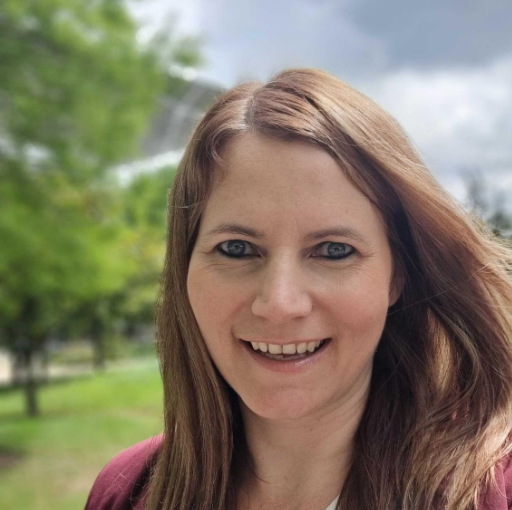
Dr. Kerstin Papenfuss
Chief Executive Officer
PhD Tumour Immunology (Imperial). Built Deep Science Ventures' pharma sector. 10+ years in therapeutic target identification.
Dr. Mark Hammond
Chief Product Officer
PhD Neuropharmacology + ML, work that went on to underpin Epidiolex which sees $972m of sales / year. Founded Deep Science Ventures ($700m+ portfolio value). Prev. licensing at Imperial College.
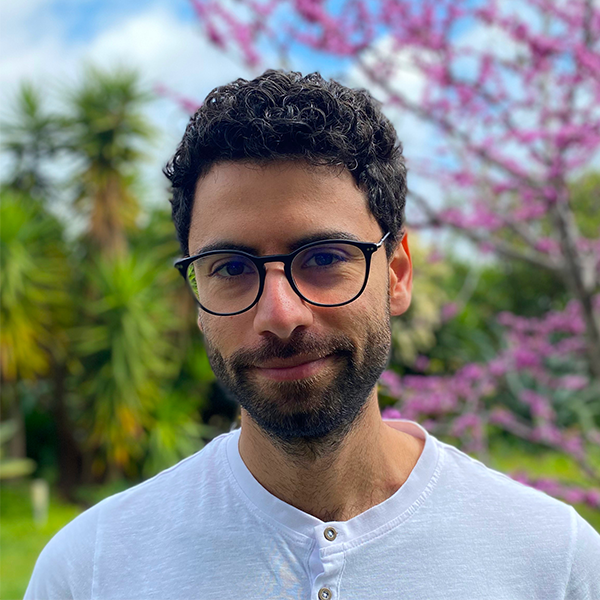
Dr. Francesco Moramarco
Head of AI & Technology
PhD Medical AI. 10 years engineering (Goldman Sachs, Babylon Health). Agentic AI specialist at Deep Science Ventures.
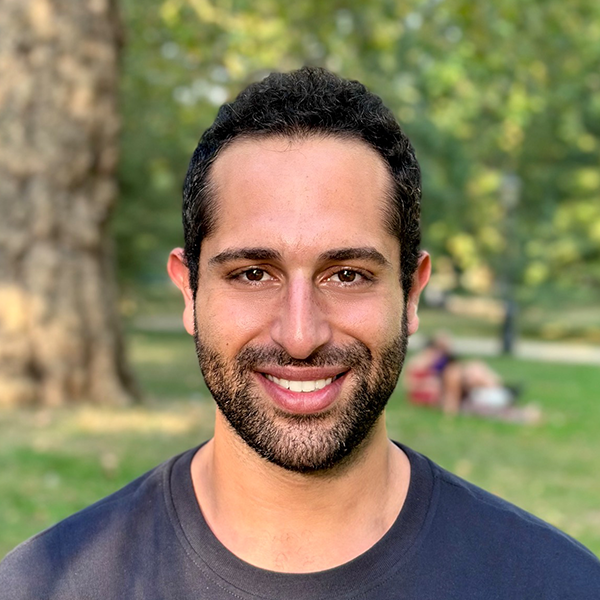
Dr. Moustafa Khedr
Head of Platform
PhD Stem Cells & Genetic Engineering-Crick Institute & UCL. Nature Comms published. 3 years Bio-AI bridge specialist at Deep Science Ventures.
Advisors — Deep expertise across pharma scale AI, Oncology target eval and regulations.
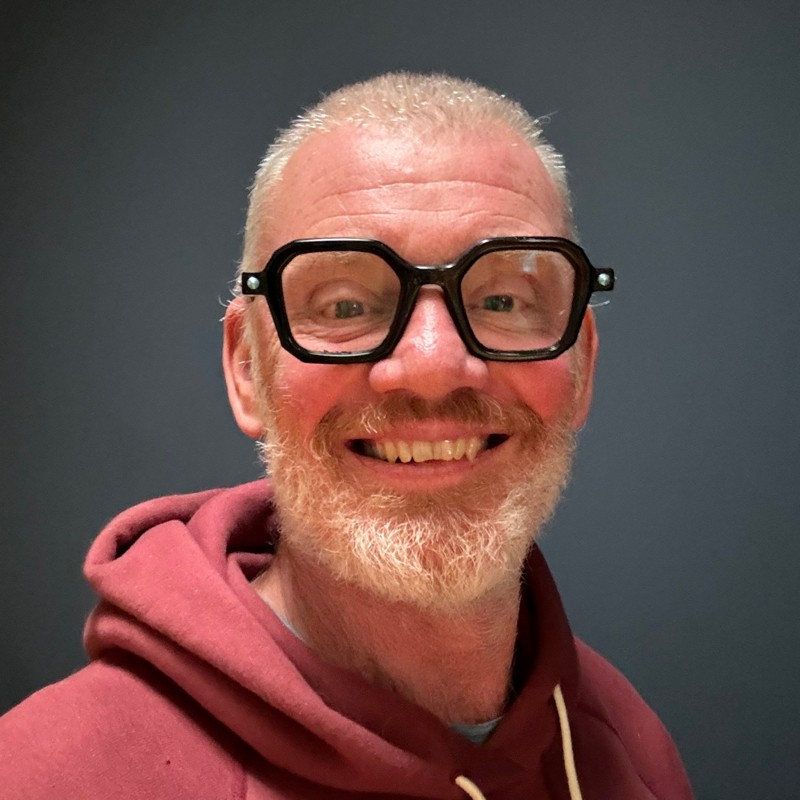
Dr. Garry Pairaudeau
Former CTO Exscientia (exited to Recursion). Former Head of Hit Discovery at AstraZeneca. CEO of Dalton Therapeutics.
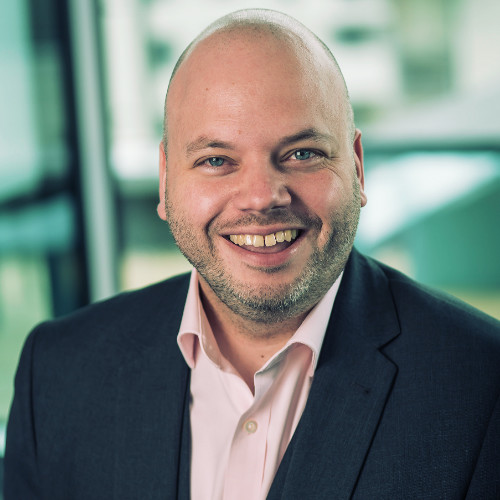
Dr. Duncan Young
Head of Search & Evaluation, Oncology Business Development at AstraZeneca.